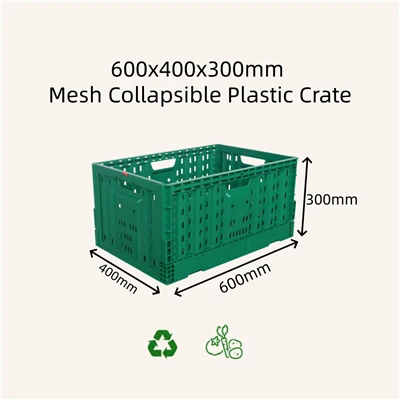
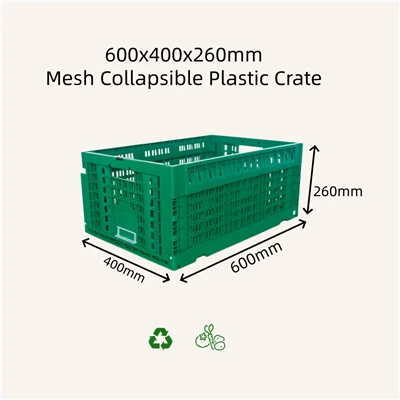
Plastic storage boxes, also known as plastic organizers, storage boxes, or organizers, are environmentally friendly containers injection molded primarily from polyethylene (PE), polypropylene (PP), and acrylonitrile-butadiene-styrene copolymer (ABS). HDPE, due to its softness and toughness, is commonly used for storing household clothing. They are non-toxic, odorless, acid and alkali resistant, and oil-resistant, equipped with sealing lids, casters, and a nesting design, combining transportation, refrigeration, turnover, and household organization functions. Driven by consumption upgrades and industrial transformation, the plastic box industry is undergoing a transformation from "basic containers" to "intelligent solutions," with demand showing a stratified characteristic, and material innovation and intelligentization becoming important trends.
These products are widely used in food processing, chemical pickling, storage of hardware and electronic parts, and textile washing, and the main standard followed is GB/T 28798-2012 "Plastic Storage Boxes." The industry continues to advance material innovation, with an increasing proportion of biodegradable plastics, recycled polypropylene (PP), and high-strength composite materials being used. The smart home ecosystem has spurred demand for "smart storage boxes," which enhance user experience through features such as remote control via apps and space optimization algorithms. A comparative test conducted by the Harbin Consumer Rights Protection Center in 2024 showed that 20 batches of samples met standard requirements in tests of impact resistance, load-bearing capacity, and stacking stability. When purchasing, quality can be assessed by checking indicators such as sealing performance, the flexibility of the casters, and transparency. It is recommended to prioritize products with the relevant standard markings.